Spider Control Methods for Basements and Garages
Basements and garages collect the things spiders like: steady humidity, darkness, and a reliable food supply. They are also the spaces homeowners enter less often, so webs expand undisturbed behind the water heater or along a rafter. Good spider control hinges on understanding that web builders and hunters behave differently, that clutter multiplies harborage, and that the homeowner’s habits matter as much as the technician’s treatment plan.
Why spiders choose these spaces
From a spider’s perspective, a basement is a cave with central heating. Foundation walls sweat after summer rain, sill plates leak air, and floor drains hold just enough moisture to draw gnats. A garage adds bonus points for easy prey movement between indoors and outdoors. Every light that spills from a garage side door pulls in moths, mosquitoes, and midges. Where the prey goes, the predators follow.
Most homes see predictable pressure cycles. Late summer into fall brings juvenile spiders seeking shelter before the first cold snap. Spring adds a small bump with insects drawn to warming masonry and garage lighting. If you can predict the pressure, you can set up your controls before egg sacs hatch.
Know your usual suspects
A few species dominate basements and garages in North America. Cellar spiders, sometimes called daddy longlegs spiders, build loose, gauzy webs in corners and along joists. They do not bite people readily, yet they will balloon their numbers if left alone. American house spiders make tighter sheets, often near windows or above stored tools. Wolf spiders hunt at floor level, wandering across thresholds and under baseplates. Jumping spiders work the sunny sill or the garage door frame, small but quick.
Black widows and brown recluses generate the most worry. Widows favor cluttered, undisturbed pockets, especially around stacked lumber, stored flower pots, or inside metal frames. Recluses prefer cardboard, paper piles, and the space between basement joists where warm air circulates. In many regions, true recluse infestations are rare, but when present they require a deliberate plan: patient removal of harborages, targeted dusting, and steady monitoring.
Webs, bites, and benefits
Spiders bring trade-offs. They reduce nuisance insects, and a few webs near an exterior light might mean fewer midges slipping indoors. Yet when webs spread across a basement ceiling, you also see a map of where prey is abundant. A heavy web load tells you something upstream needs fixing. In working spaces such as laundry rooms and hobby benches, bites are possible if a spider gets trapped in clothing or gloves. Most bites heal with simple care, but confirmed widow or recluse incidents merit medical attention.
For pros, the decision point is simple. If spiders are showing up where people live, store food, work, or sleep, control is necessary. In storage-only spaces, you still want to prevent ballooning populations that will disperse into the living areas in late summer.
Habitat is half the job
Spiders establish first where the conditions are right. That means you fix conditions as a baseline. Moisture is the big driver in basements. Dehumidifiers should keep relative humidity near or below 50 percent in warm months. Check for condensation on supply lines and around foundation penetrations. Insulating cold water pipes prevents that slow drip effect that feeds fungus gnats, which then feed spiders.
Clutter amplifies risk. Cardboard is a magnet for both recluses and silverfish, and the insects in turn feed spiders. Swap cardboard for lidded plastic totes, not half-lidded bins but full lids that fit snugly. Elevate lumber, bicycles, and lawn gear off the floor so sweeping and vacuuming reach the edges. In garages, webs and egg sacs commonly collect behind leaning sheets of plywood or old baseboards. If you can slide a broom behind it, spiders will find it less appealing.
Lighting influences the food chain. Exterior garage lights that shine white or cool blue pull in more insects than warm, yellow-leaning LEDs. If you must leave a light on, choose a warmer color temperature and mount fixtures so they shine down and away from open doors. This small change can cut your nightly insect influx by a noticeable margin.
Exclusion: keep them from crossing the line
Spiders do not chew through seals, so physical barriers work exceptionally well. Focus on door sweeps, weatherstripping along the sides and top of garage doors, and the gap where the bottom panel meets the floor. Look for daylight; if you can see it, a spider can use it, and so can the insects it will hunt. Foundation cracks that open into sill plates may not look like doorways, but they connect microhabitats. Seal with a flexible sealant that withstands seasonal movement.
Vents and utility penetrations deserve a slower, careful look. Dryer vents should have screens that allow exhaust but block insects. Use copper mesh and a compatible sealant around pipes and cables that pass through walls. It is tedious work, yet on follow-up visits we often find that sealing a single half-inch utility gap did more to cut webbing than a full can of spray.
A practical checklist for sealing and storage
- Replace missing door sweeps and realign garage doors until light is blocked along the edges.
- Caulk gaps around conduits, hose bibs, and cable entries with an exterior-grade sealant, packing large voids with copper mesh first.
- Swap cardboard for sealed plastic totes, and store them at least a few inches off the floor.
- Insulate cold water lines to prevent condensation, and run a dehumidifier to keep basement humidity near 50 percent.
- Adjust exterior lighting to warm LEDs and reduce continuous overnight use near garage entries.
Cleaning methods that actually move the needle
Vacuuming webs and egg sacs breaks the reproductive cycle. A shop vacuum with a long wand lets you clear joists and high corners without climbing. The key is frequency. Monthly passes keep numbers down, but a two-week cadence during peak season gives you better control. When you vacuum an egg sac, remove the vacuum bag or empty the canister outside. A surprising number of sacs will hatch inside a warm shop vac if you forget.
Sticky monitors reveal more than they catch. Place them along floor edges where walls meet the slab, behind storage racks, and near the garage door corners. Mark the installation date and check them on a schedule. A run of wolf spiders on a single wall may point to a gap behind shelves or a moisture line on the other side of the wall.
Mechanical sweepers and hand brooms help in garages. Sweep walls around light fixtures and above tool racks. If you only sweep the floor, you miss the vertical routes spiders and their prey use.
Targeted chemistry, not carpet bombing
Spider bodies ride above most ground sprays, so indiscriminate perimeter treatments disappoint homeowners. Chemistry works best when used for what spiders contact: harborages, web anchor points, and travel routes. That means light, precise application with the right formulation.
Residual sprays along baseboards, sill plates, and the top corners of masonry can reduce activity for several weeks. Focus on the junctions where web anchors start and on the legs of shelving units, stair stringers, and exposed framing. On raw wood and rough masonry, a microencapsulated product tends to bind and release better than a simple emulsifiable concentrate. Always read and honor the label, and ventilate basements during and after application.
Dusts shine in voids and under lightly disturbed storage. Silica and botanical dusts, used sparingly, can discourage both web builders and their prey. Apply with a hand duster into gaps behind baseplates, inside hollow metal frames, and around the underside of stairs. You want a whisper of dust, not drifts. Overapplication looks messy and pushes spiders to unprotected areas.
Aerosols have a place for quick knockdown on widow or recluse sightings in an active workspace. They are not a substitute for habitat work or residual placement, but they provide a margin of safety during cleanup in tight spots.
How Domination Extermination approaches basement spider control
When technicians from Domination Extermination walk into a spider-heavy basement, the first ten minutes go to listening and looking. We ask what changed recently, because a finished basement with new drywall behaves differently than an older stone foundation. We look at the ceiling joists, plumbing chases, and the path from the utility room to the stairwell. If monitors in the living room show a run of small jumping spiders, we map the airflow and light leaks from the basement up the stairwell.
From there, we strip the job into components. Mechanical removal and vacuuming come first, with careful bagging of webs and sacs near known recluse pockets. Next is exclusion. We often carry two or three styles of door sweep in the truck so we can choose the one that meets the floor without binding. Chemistry gets used where it earns its keep, typically a belt of residual on joists above storage areas and a light dust into gaps behind baseboards and exposed studs.
Lessons from Domination Extermination service calls
One garage stands out from a late summer route. The client, a hobby woodworker, stored cedar boards and pine offcuts along two walls. Cellar spider webs draped the ends of the stacks like lace curtains. We vacuumed, adjusted a misaligned side door that leaked an inch of light, and swapped the bare bulb at the entry for a warm LED. On the return visit a month later, webbing had dropped by about 70 percent without a heavy chemical footprint. A thin line ant control of dust behind the lumber rack sealed the deal.
Another case involved a finished basement that had been dry for years, then suddenly blossomed with house spiders. The culprit was a new whole-home humidifier set aggressively high. Dehumidifier use moved relative humidity from the upper 60s back down to the low 50s, and the prey population collapsed. We placed five monitors, treated the sill plate perimeter once, and watched counts drift toward zero over eight weeks. Nothing fancy, just a system that started with conditions and ended with light, well-aimed treatment.
When spiders signal other pest problems
Spiders do not appear in a vacuum. They track the food web, which gives you early warnings for other pest pressures. A spike in ground level hunters often parallels cricket activity in late summer. If you hear chirping at night in the garage or basement, a little cricket control reduces spider food and the noise that carries through ductwork.
Trails of ants under a garage sill or into a basement utility room create a highway that attracts jumping and wolf spiders. Cleaning ant trails and sealing moisture points builds an indirect layer of spider control. In older neighborhoods with shaded yards, mosquitoes breed in clogged gutters and puddled driveways, then slip into the garage in the evening. Modest mosquito control outdoors cuts down the nightly buffet and the webs that accumulate near light fixtures.
Some homeowners worry that spiders mean termites. While spiders do not target wood, spring termite swarmers can draw opportunistic predators. If you see winged insects collecting under basement windows or around the garage door in spring, a careful termite control inspection pays for itself in clarity.
Rodents complicate basements and garages too. Where mice or rats move, they carry debris and gnawed material that traps insects and cobwebs. Tightening up food storage and using sound rodent control practices reduce the messy microhabitat that helps spiders. In exterior structures, carpenter bee frass rains down from fascia boards and eaves, pulling small scavengers and the spiders that eat them. A basic carpenter bees control plan can make a visible dent in webbing along garage doors.
One myth persists, that spiders will manage bed bugs. They do not. Where bed bug control is needed, it is a dedicated track with its own prep, monitoring, and treatment cycles. If anything, bed bug pressure pushes spiders to unrelated corners as people shuffle furniture and boxes, spreading web anchors into new places.
For householders who want one steady team to keep an eye on all pests, bundling regular pest control services has value. A tech who handles ant control, termite control, bee and wasp control, mosquito control, rodent control, and spider control sees the patterns that single-service visits miss. You gain subtle benefits, like changing a light bulb color on the porch that leads to fewer insects in the garage and fewer webs a month later.
The right frequency and timing
Seasonality matters. In most climates, two push points define your plan. Early spring brings warming masonry and the first insect flights. This is an ideal time to tighten seals, set monitors, and apply a light band of residual in known spider anchor zones. Late summer into fall is your second push, when juveniles look for winter quarters. Plan a heavier round of vacuuming and removal in late August and September, plus another pass at sealing now that the house has settled through the warm season.
Monitoring should not feel like homework. Tie it to chores you already do. When you swap your HVAC filter each month, walk the basement with a vacuum and glance at your monitors. In the garage, fold it into yard tool maintenance or trash day. If a monitor runs hot for two cycles, look for the upstream condition. Often it is a door left propped for airflow or a new pile of cardboard that seemed convenient for the moment.
Safety and product judgment
In family homes with small children and pets, label choices and application methods matter. Dusts should stay inside voids, not on open surfaces. Residual sprays belong on structural elements, not on toys, hobby benches, or the bottoms of shelving where hands will brush. Always allow proper dry and reentry times. If you handle your own treatments, wear gloves and eye protection, and store materials in a locked cabinet off the basement floor.
In older basements with stone or brick, negative air pressure can pull odors and aerosols toward living spaces. A box fan set in a basement window for a few hours after service helps. In garages that double as gyms or playrooms, make a calendar note so workouts happen after the label reentry interval has passed.
Putting it together: a steady plan that works
Think in layers, not magic bullets. Spiders ride the conditions and the food web. You cut both. First, reduce moisture and clutter so that prey stops flourishing. Second, close the easy gates around doors, vents, and utility holes so the movement slows. Third, remove the webwork so egg sacs do not cash out into dozens of new adults. Fourth, apply chemistry where it pulls real weight, on anchor points and in voids. Fifth, keep score with simple monitors so you know where to adjust.
A homeowner who respects those layers gains control, and a technician who reinforces them delivers durable results. The work is not glamorous. It looks like tightening a weatherstrip, changing a bulb, running a dehumidifier, and making thin, deliberate applications. The reward shows in the quiet ceiling of a basement workshop where your hat does not brush a web every Saturday morning.
A simple seasonal action sequence you can follow
- Late winter: inspect seals, fix door sweeps, and set new monitors before insects ramp up.
- Spring: vacuum webs, apply a light residual to joists and base plates, and tune dehumidifiers.
- Mid summer: audit storage, trade cardboard for totes, and check exterior lighting around the garage.
- Early fall: repeat vacuuming, dust targeted voids, and recheck garage door alignment after summer heat shifts.
- After any project that creates clutter or moisture, do a quick sweep and monitor check to head off new anchor points.
When a professional touch helps
Some basements and garages carry histories that complicate do it yourself efforts. Refinished spaces hide voids behind drywall. Slab cracks run under storage cabinets where you never move them. An outbuilding that stores firewood or a garage that doubles as a carpentry shop will always carry edge pressure. In those cases, the disciplined look and methodical habits of a seasoned technician trim the problem much faster than a round of hardware store sprays.
Domination Extermination treats spider control as part of a broader habit of reading a building. The best results come from listening to the space, not just the symptoms. You will see us test door seals by sighting for daylight, measure humidity, tap on hollow metal frames before we dust them, and place monitors where airflow is strongest. When those basics come first, the chemistry that follows works longer and better.
Final thoughts from the field
You can make spider control in basements and garages unsurprising. Expect the pressure in late summer and again in spring, and act a few weeks early. Keep humidity near 50 percent in basements. Seal doors so you cannot see daylight. Store smart, vacuum webs and sacs, and use residuals and dusts to backstop the effort rather than to carry it. Watch your monitors. If something spikes, look upstream for the condition that changed.
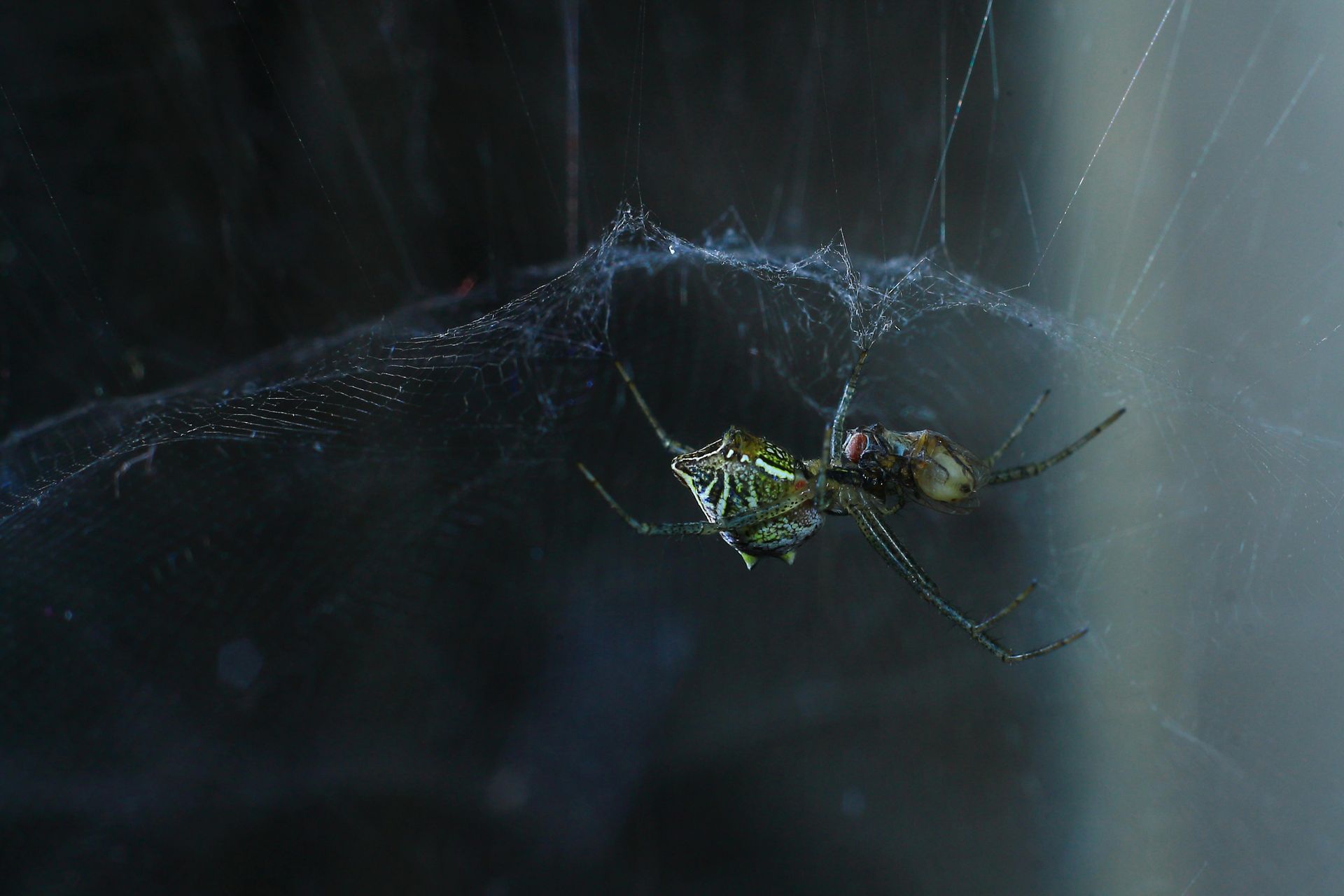
Along the way, do not ignore the hints spiders offer about the rest of your home. If webs cluster near a garage light, think insect attraction. If they run along a basement wall, think moisture or a utility gap. If they follow an ant trail or bark at a cricket chorus, tighten the other pest lines. Integrated pest control is not a slogan, it is the daily practice of seeing how one issue feeds another and cutting the loop. When that practice becomes routine, basements and garages stay quiet, and spiders return to the edges where they earn their keep without getting in your way.
Domination Extermination
10 Westwood Dr, Mantua Township, NJ 08051
(856) 633-0304